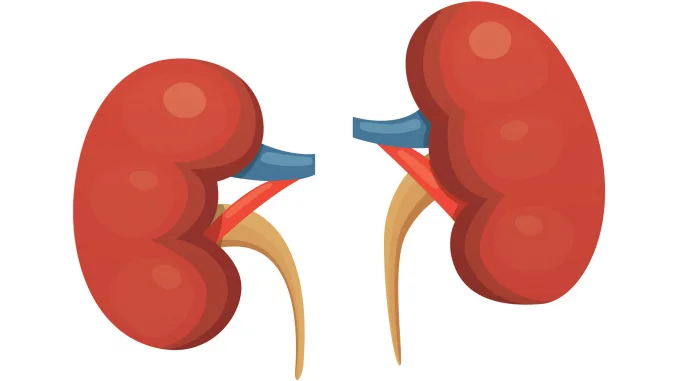
Polycystin-1 (PC1) is a large, membrane-bound protein that plays a crucial role in how cells sense and respond to their physical environment—especially in the kidneys. It’s best known for its association with Autosomal Dominant Polycystic Kidney Disease (ADPKD), a common genetic disorder.
Basic Facts About Polycystin-1
| Feature | Description |
|---|---|
| Gene | PKD1 |
| Protein size | ~4300 amino acids (~460–520 kDa) |
| Location | Primarily in the plasma membrane and primary cilium of kidney epithelial cells |
| Function | Mechanosensation, cell–cell/matrix interaction, signal transduction |
Functions of Polycystin-1
-
Mechanosensation:
-
PC1 is part of a complex with Polycystin-2 (PC2).
-
This complex is located in the primary cilium—a hair-like sensory organelle on kidney cells.
-
It helps detect fluid flow in the nephron and transmits signals into the cell.
-
-
Calcium Signaling:
-
PC1 helps regulate intracellular calcium levels via its interaction with PC2, which acts as a calcium-permeable ion channel.
-
Calcium signaling is crucial for regulating cell proliferation, apoptosis, and polarity.
-
-
Cell Adhesion and Signaling:
-
PC1 has domains involved in cell–cell and cell–matrix adhesion.
-
It may interact with proteins like E-cadherin, integrins, and various G-proteins to influence signaling pathways (e.g., Wnt, mTOR, and JAK/STAT).
-
Polycystin-1 and Polycystic Kidney Disease (PKD)
-
Mutations in the PKD1 gene (encoding PC1) are responsible for about 85% of ADPKD cases.
-
Loss of functional PC1 leads to:
-
Cyst formation in kidneys and other organs (like the liver).
-
Disruption of calcium signaling, leading to abnormal cell proliferation and fluid secretion.
-
Impaired mechanosensation in kidney tubules, contributing to cyst growth.
-
Structure of Polycystin-1 (Simplified)
PC1 is a transmembrane protein with:
-
A large extracellular region involved in sensing environmental signals and interacting with other proteins.
-
11 transmembrane domains.
-
A short intracellular tail that participates in signaling pathways.
-
It forms a complex with PC2, which is essential for proper function.
Research and Therapeutic Interest
Because PC1 plays a central role in ADPKD pathogenesis, it’s a target of intensive research:
-
Understanding PC1 function could help identify new drug targets.
-
Therapies like tolvaptan (a vasopressin receptor antagonist) aim to slow cyst growth, but researchers are also exploring mTOR inhibitors, calcium modulators, and gene therapy.
Summary
-
Polycystin-1 (PC1) is a mechanosensory and signaling protein encoded by the PKD1 gene.
-
It is essential for normal kidney function, particularly in sensing fluid flow and regulating calcium signaling.
-
Mutations in PC1 cause Autosomal Dominant Polycystic Kidney Disease (ADPKD).
-
It functions as part of a complex with Polycystin-2, mainly in the primary cilia of kidney epithelial cells.
Leave a Reply