
Restriction Fragment Length Polymorphism (RFLP) Analysis
Determining the presence or absence of a single nucleotide polymorphism (SNP) in a DNA sample using restriction endonucleases involves a technique called Restriction Fragment Length […]
Determining the presence or absence of a single nucleotide polymorphism (SNP) in a DNA sample using restriction endonucleases involves a technique called Restriction Fragment Length […]
Cytomegaloviruses (CMVs) are a group of viruses belonging to the Herpesviridae family, known for their ability to establish persistent infections in their hosts. The prototypical […]
β-Amyrin, a pentacyclic triterpene, is a natural compound with a myriad of applications and potential therapeutic properties. This compound is part of the larger family […]
Actin polymerization is a fundamental cellular process that plays a crucial role in various cellular functions, including cell motility, maintenance of cell shape, intracellular transport, […]
Community-scale metabolic modeling (CSMM) is a systems biology approach used to represent, simulate, and analyze the metabolic interactions among multiple organisms coexisting in a shared […]
Transcription Activator-Like Effector Nucleases (TALENs) represent a powerful class of genome editing tools that have significantly advanced the field of biotechnology. Engineered from naturally occurring […]
Zinc Finger Nucleases (ZFNs) are engineered DNA-binding proteins that have revolutionized the field of biotechnology by enabling targeted genome editing. These proteins, composed of zinc […]
Tryptophan is an essential aromatic amino acid that serves as a building block for proteins and a precursor for numerous biologically important molecules, including serotonin, […]
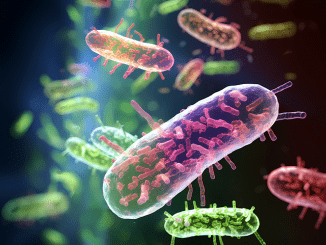
Aptamers, often referred to as “chemical antibodies,” are short, single-stranded DNA or RNA molecules that can bind to specific target molecules with high affinity and […]
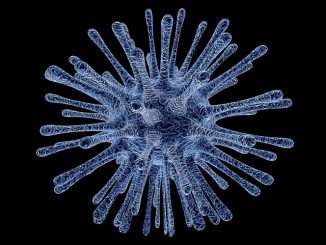
Gene therapy is a promising and rapidly evolving field that involves the introduction, alteration, or deletion of genetic material within an individual’s cells to treat […]
Yeast extracts are rich, nutrient-dense substances derived from the cell contents of yeast cells. They are widely used in food, pharmaceutical, and biotechnology industries as […]
Bacterial ghosts (BGs) are empty cell envelopes or membrane structures derived from bacterial cells after a controlled removal of their cellular content, including the cytoplasm […]
The Polysporus genus of fungi represents a diverse group with significant biotechnological potential. Fungi, in general, play crucial roles in various ecological processes and have […]
A growing trend in scientific research is non-animal testing. For virtually all studies on safety or on testing and checking efficacy of ingredients, routine testing […]

Algal oils, derived from various species of algae, are a rich source of lipids with a diverse range of applications. These oils have garnered significant […]
In genetic engineering, the term “replicon” refers to a segment of DNA that contains all the necessary elements required for its own replication within a […]
Peptides, which are short chains of amino acids, are increasingly significant in pharmaceuticals due to their specificity and effectiveness. The European Medicines Agency (EMA) provides […]
Inverse PCR (iPCR) is a variation of the traditional polymerase chain reaction (PCR) that allows for the amplification of DNA fragments for which the sequence […]
Cyclic peptides are a class of peptides with a circular sequence of amino acids, which confer unique structural and functional properties compared to their linear […]

Insulin is a vital hormone for regulating blood glucose levels. It is critical for those with Type-1 diabetes because they do not produce the hormone. […]
Copyright © 2026 | WordPress Theme by MH Themes