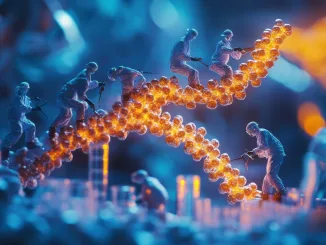
Recombineering in Biotechnology
Precise manipulation of genetic material is a central requirement of modern biotechnology, underpinning advances in functional genomics, metabolic engineering, and synthetic biology. Early molecular cloning […]
Precise manipulation of genetic material is a central requirement of modern biotechnology, underpinning advances in functional genomics, metabolic engineering, and synthetic biology. Early molecular cloning […]
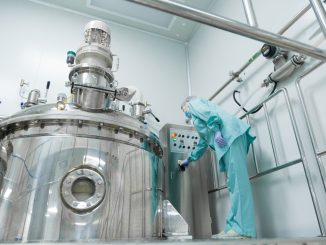
A single-use fermenter (SUF), also known as a disposable fermenter or single-use bioreactor, is a type of vessel used in biotechnology and bioprocessing industries for […]

1. What is D-Limonene? D-Limonene is a naturally occurring monocyclic monoterpene hydrocarbon (C₁₀H₁₆). It is optically active; the D-enantiomer is responsible for the characteristic citrus […]

Lean manufacturing can be highly effective in biotechnology, but it must be adapted to the unique constraints of biological systems, strict regulatory oversight, and complex […]
Chromatography is one of the most important analytical and preparative techniques in chemistry, biotechnology, and materials science. Traditionally, chromatographic separations rely on packed beds of […]
Scale-down models (SDM) are essential pivotal tools in biotechnology that facilitate the study of large-scale processes in smaller, more manageable settings. These models play a […]
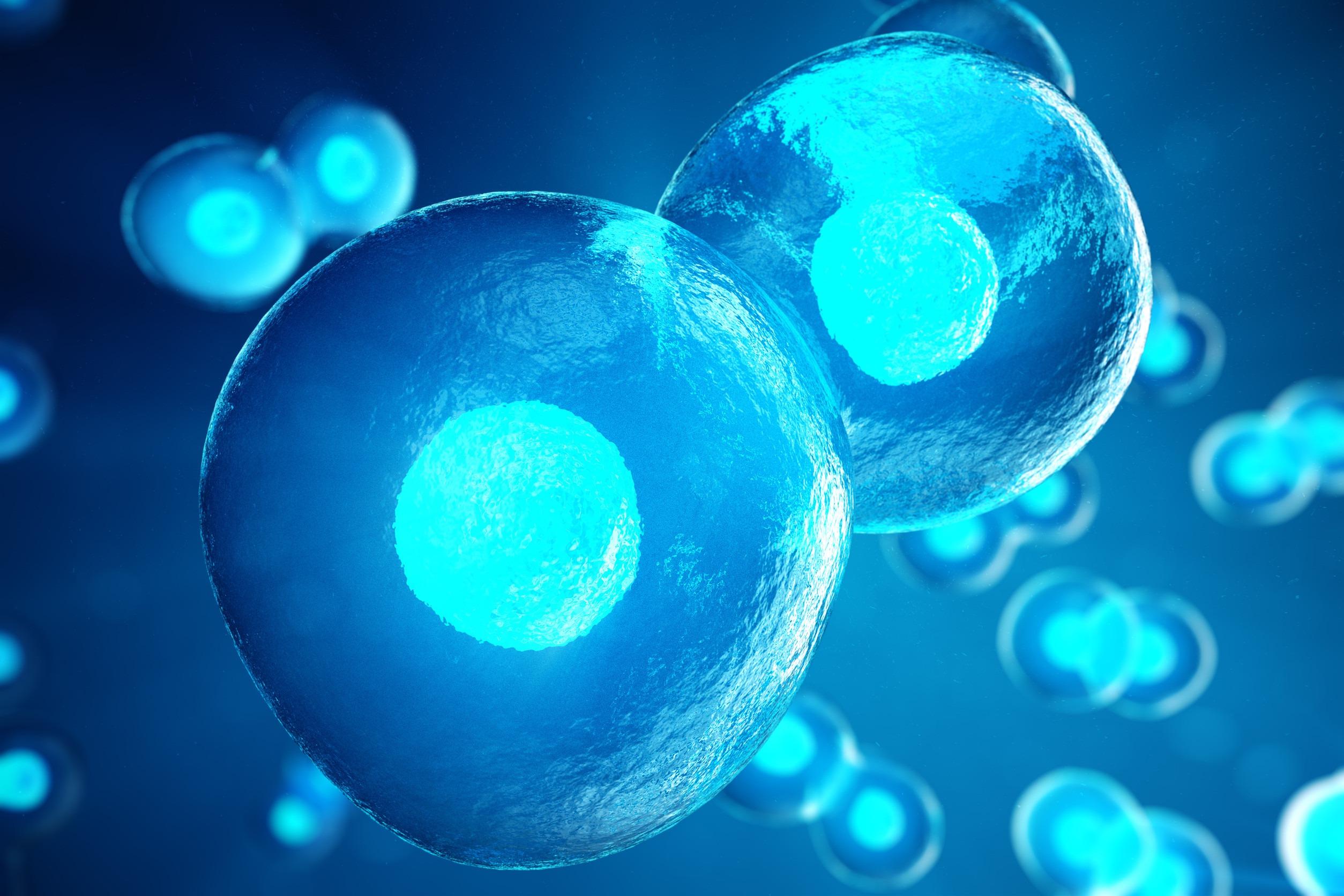
Mesenchymal stem cells (MSCs) are a type of adult stem cell that can be found in various tissues throughout the body, including bone marrow, adipose […]
Bacillus circulans is a species of bacteria belonging to the genus Bacillus. Classification: Kingdom: Bacteria Phylum: Firmicutes Class: Bacilli Order: Bacillales Family: Bacillaceae Genus: Bacillus […]
3-Hydroxypropionic acid (3-HP; chemical formula C₃H₆O₃) is a three-carbon hydroxycarboxylic acid with a hydroxyl group on C-3 and a terminal carboxyl group. It is a […]

The manufacture and purification of lactoferrin (LF), a multifunctional iron-binding glycoprotein primarily found in milk, involves several carefully controlled steps to ensure purity, bioactivity, and […]

Phenotypic Plasticity and Totipotency are two fundamental biological concepts that play essential roles in plant transformation, especially in plant tissue culture and genetic engineering. Here’s […]
Recombinant proteins are proteins encoded by recombinant DNA that has been cloned in an expression system allowing gene expression and protein production. These proteins are […]
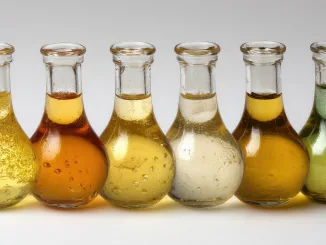
Lipases (triacylglycerol hydrolases, EC 3.1.1.3) are hydrolytic enzymes that catalyze the cleavage of ester bonds in triglycerides, releasing free fatty acids and glycerol. They are […]
Immobilization techniques are a cornerstone of modern biotechnology and materials science. They enable the fixation of enzymes, cells, or other biologically active agents onto or […]
Concanavalin A (Con A) is a plant lectin protein extracted from the jack bean (Canavalia ensiformis), notable for its specific binding to certain sugar residues […]
Sepharose is a trade name for a group of cross-linked, beaded agarose products manufactured primarily by Cytiva (formerly GE Healthcare Life Sciences). Derived from agarose, […]
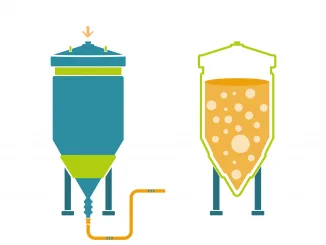
The N-1 perfusion method is a bioprocessing technique used in upstream biomanufacturing, particularly in the production of therapeutic proteins such as monoclonal antibodies (mAbs) in […]
Introduction Cell-free protein synthesis (CFPS) represents a groundbreaking biotechnology platform for producing proteins without the need for living cells. Unlike traditional in vivo protein expression […]

Introduction In the quest for sustainable and renewable energy sources, biofuels have emerged as promising alternatives to fossil fuels. Among them, biobutanol stands out due […]

As the world faces intensifying environmental and energy challenges, the search for sustainable, renewable energy sources has become a global priority. One such promising resource […]
Copyright © 2026 | WordPress Theme by MH Themes