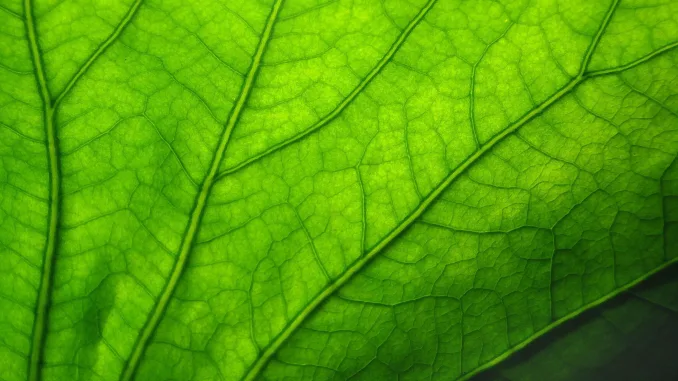
Chlorophyll is one of the most important biological pigments on Earth and plays a central role in the survival, growth, and productivity of plants. It is the green pigment found primarily in the chloroplasts of plant cells, where it captures light energy and converts it into chemical energy through the process of photosynthesis. The presence of chlorophyll gives leaves and many other plant tissues their characteristic green color and serves as a key indicator of plant health, vigor, and physiological status. Because chlorophyll content is closely linked to photosynthetic capacity, nutrient availability, environmental stress, and crop productivity, the measurement of chlorophyll in plant tissues has become an essential aspect of plant physiology, agronomy, ecology, and environmental science (Humphrey, 1980; 2004).
Analytical methods for chlorophyll determination have evolved from simple visual assessments to sophisticated laboratory and remote sensing techniques, enabling researchers to quantify chlorophyll accurately and investigate plant responses to various environmental and biological factors.
Chlorophyll belongs to a group of tetrapyrrole pigments that contain a porphyrin ring structure with a centrally coordinated magnesium ion. This unique molecular arrangement allows chlorophyll molecules to absorb light efficiently, particularly in the blue and red regions of the visible spectrum while reflecting green wavelengths. In higher plants, the two principal forms of chlorophyll are chlorophyll a and chlorophyll b. Chlorophyll a is the primary photosynthetic pigment and is directly involved in the conversion of light energy into chemical energy. Chlorophyll b functions as an accessory pigment, expanding the range of light wavelengths that can be absorbed and transferring captured energy to chlorophyll a. The ratio between chlorophyll a and chlorophyll b can vary depending on species, developmental stage, and environmental conditions, making it a valuable parameter in studies of plant adaptation and stress physiology.
The synthesis of chlorophyll is a complex biochemical process involving multiple enzymatic steps. It begins with the formation of δ-aminolevulinic acid and proceeds through several intermediates before producing chlorophyll molecules. This process requires adequate supplies of essential nutrients, particularly nitrogen, magnesium, iron, and sulfur. Nitrogen is especially important because chlorophyll molecules contain nitrogen atoms within their porphyrin rings. Deficiencies in these nutrients often result in chlorosis, a condition characterized by yellowing leaves due to reduced chlorophyll synthesis. Conversely, optimal nutrient availability promotes chlorophyll accumulation, enhancing photosynthetic efficiency and plant growth. Chlorophyll levels also change throughout the life cycle of plants. Young expanding leaves generally accumulate chlorophyll rapidly, while senescing leaves exhibit chlorophyll degradation as nutrients are remobilized to other tissues.
Environmental factors exert a strong influence on chlorophyll content. Light intensity, temperature, water availability, salinity, air pollution, and pathogen attack can all affect chlorophyll synthesis and degradation. Under drought stress, for example, chlorophyll concentration often declines due to oxidative damage and impaired biosynthesis. Excessive light can lead to photooxidation, causing chlorophyll breakdown and damage to photosynthetic apparatus. Similarly, exposure to heavy metals or atmospheric pollutants may interfere with chlorophyll metabolism and reduce photosynthetic performance. Because chlorophyll responds sensitively to environmental conditions, its measurement provides valuable information about plant stress, adaptation, and overall physiological condition.
The analytical measurement of chlorophyll in plant tissue is therefore of considerable scientific and practical importance. Quantification of chlorophyll allows researchers to assess photosynthetic potential, monitor crop nutrition, evaluate stress responses, estimate biomass production, and study ecological processes. Various analytical techniques have been developed for chlorophyll determination, each with distinct advantages, limitations, and applications. These methods can be broadly categorized into destructive laboratory-based approaches and nondestructive field-based techniques.
One of the most widely used laboratory methods for chlorophyll analysis involves solvent extraction followed by spectrophotometric measurement. In this approach, fresh plant tissue is collected, weighed, and homogenized using a mortar and pestle or mechanical grinder. Chlorophyll pigments are then extracted using organic solvents such as acetone, methanol, ethanol, or dimethyl sulfoxide. The choice of solvent affects extraction efficiency and stability of the pigments. Acetone, particularly at concentrations of 80% or 90%, has historically been one of the most common extraction solvents due to its effectiveness in dissolving chlorophyll. After extraction, the sample is filtered or centrifuged to remove particulate matter, producing a clear solution containing chlorophyll pigments.
The absorbance of the chlorophyll extract is subsequently measured using a spectrophotometer at specific wavelengths corresponding to the absorption maxima of chlorophyll a and chlorophyll b. Common wavelengths include 663 nm and 645 nm when acetone is used as the extraction solvent. The measured absorbance values are then substituted into established equations that calculate the concentrations of chlorophyll a, chlorophyll b, and total chlorophyll. These equations are based on the known extinction coefficients of the pigments and account for overlap in their absorption spectra. Results are typically expressed as milligrams of chlorophyll per gram of fresh tissue, dry tissue, or leaf area. Spectrophotometric methods are valued for their simplicity, relatively low cost, and satisfactory accuracy in routine laboratory analyses.
Despite its widespread use, spectrophotometric analysis has certain limitations. Pigment degradation during sample handling can introduce errors if tissue is not processed promptly or protected from light and heat. In addition, the presence of other pigments such as carotenoids may interfere with absorbance measurements. Extraction efficiency can vary depending on tissue type, solvent choice, and grinding procedures. Therefore, careful standardization of protocols is essential to ensure reproducibility and comparability among studies.
High-performance liquid chromatography (HPLC) represents a more advanced analytical technique for chlorophyll determination. Unlike spectrophotometry, which measures total absorbance of pigment mixtures, HPLC separates individual pigments before quantification. In HPLC analysis, chlorophyll extracts are injected into a chromatographic system containing a specialized column. As the extract passes through the column under controlled conditions, different pigments separate according to their chemical properties. A detector measures each pigment as it elutes from the column, generating chromatographic peaks corresponding to chlorophyll a, chlorophyll b, chlorophyll degradation products, and carotenoids.
HPLC offers several advantages, including high sensitivity, excellent resolution, and the ability to identify multiple pigments simultaneously. It allows precise quantification of chlorophyll derivatives such as pheophytin and chlorophyllide, which are important indicators of pigment degradation and plant stress. Because of its analytical precision, HPLC is widely used in research applications involving detailed pigment characterization, photosynthetic studies, and environmental monitoring. However, HPLC systems are expensive, require specialized expertise, and involve longer analysis times compared with spectrophotometric methods. Consequently, their use is generally restricted to advanced laboratories and research institutions.
Fluorometric methods provide another important approach for chlorophyll analysis. Chlorophyll molecules possess natural fluorescence properties, emitting light at longer wavelengths after absorbing excitation energy. Fluorometers exploit this characteristic by measuring chlorophyll fluorescence intensity, which is related to chlorophyll concentration and photosynthetic activity. Fluorescence measurements can be highly sensitive and are particularly useful when chlorophyll concentrations are low. In addition to pigment quantification, chlorophyll fluorescence analysis provides valuable information about the functional status of photosystem II, photochemical efficiency, and plant stress responses. Fluorometric techniques are widely employed in plant physiology, crop science, and ecological research because they enable rapid assessment of photosynthetic performance without extensive sample preparation.
In recent decades, nondestructive methods for chlorophyll estimation have gained considerable popularity. Portable chlorophyll meters, such as SPAD meters, estimate chlorophyll content by measuring light transmission through leaves at selected wavelengths. These instruments provide immediate readings in the field without requiring tissue destruction or laboratory processing. The measured values correlate with chlorophyll concentration and can be calibrated against laboratory-based analytical methods. SPAD meters are extensively used in agriculture for monitoring crop nitrogen status, optimizing fertilizer management, and assessing plant health. Their portability, speed, and ease of use make them valuable tools for precision agriculture and large-scale field studies.
Advances in optical sensing technologies have further expanded the possibilities for chlorophyll measurement. Hyperspectral and multispectral sensors can detect subtle variations in leaf reflectance associated with chlorophyll concentration. These sensors may be mounted on handheld devices, drones, aircraft, or satellites, enabling chlorophyll assessment across large spatial scales. Vegetation indices derived from spectral reflectance data, such as the normalized difference vegetation index (NDVI) and chlorophyll-related indices, are commonly used to estimate plant chlorophyll content remotely. Remote sensing approaches provide powerful tools for monitoring crop productivity, ecosystem health, and environmental change over extensive geographic areas.
Accurate chlorophyll measurement requires careful attention to sampling procedures and quality control. Plant tissues should be collected consistently with respect to developmental stage, leaf position, and time of day because chlorophyll content may vary among different parts of the plant and under different environmental conditions. Samples intended for laboratory analysis should be protected from excessive light, heat, and dehydration to minimize pigment degradation. Calibration standards, replicate measurements, and appropriate statistical analyses are necessary to ensure reliability and reproducibility of analytical results.
The interpretation of chlorophyll measurements depends on the objectives of the study and the biological context. High chlorophyll concentrations generally indicate healthy plants with strong photosynthetic capacity, although excessive chlorophyll accumulation may occur under certain environmental conditions. Reduced chlorophyll content often signals nutrient deficiency, disease, environmental stress, or senescence. Chlorophyll measurements are frequently integrated with other physiological parameters such as photosynthetic rate, stomatal conductance, biomass accumulation, and nutrient content to provide a comprehensive understanding of plant function and performance.
In agricultural systems, chlorophyll analysis plays a crucial role in crop management and productivity improvement. Nitrogen fertilization strategies are often guided by chlorophyll measurements because leaf chlorophyll concentration closely reflects nitrogen status. Farmers and agronomists use chlorophyll meters to identify nutrient deficiencies, optimize fertilizer applications, and avoid excessive nitrogen use that can increase production costs and environmental pollution. Similarly, chlorophyll monitoring helps detect early signs of drought stress, pest infestation, and disease outbreaks, allowing timely implementation of management interventions. In food research, the degradation of this pigment is an important quality factor in the monitoring of processing of plans and vegetables.
In ecological and environmental research, chlorophyll measurements contribute to understanding plant adaptation, ecosystem productivity, and responses to climate change. Variations in chlorophyll content can reveal how plants respond to changing environmental conditions, including elevated carbon dioxide concentrations, temperature fluctuations, and altered precipitation patterns. Chlorophyll analysis also supports studies of biodiversity, succession, and habitat quality by providing quantitative indicators of vegetation health and photosynthetic activity.
Chlorophyll is a fundamental pigment that enables photosynthesis and sustains life on Earth by facilitating the conversion of solar energy into chemical energy. Its concentration in plant tissues reflects numerous physiological, nutritional, and environmental processes, making chlorophyll an invaluable indicator of plant health and productivity. Analytical measurement of chlorophyll has evolved from traditional solvent extraction and spectrophotometric techniques to sophisticated chromatographic, fluorometric, and remote sensing methods. Each analytical approach offers unique strengths and limitations, allowing researchers and practitioners to select the most appropriate method for their specific objectives. Through accurate chlorophyll determination, scientists gain critical insights into plant physiology, stress responses, nutrient dynamics, and ecosystem functioning, while agricultural professionals use chlorophyll measurements to enhance crop management and sustainable production. As technology continues to advance, chlorophyll analysis will remain a cornerstone of plant science, contributing to improved understanding of plant biology and more effective stewardship of agricultural and natural ecosystems.
References
Humphrey, A. M. (1980). Chlorophyll. Food Chemistry, 5(1), pp. 57-67
Humphrey, A. M. (2004). Chlorophyll as a color and functional ingredient. Journal of Food Science, 69(5), C422-C425 (Article).
Related Posts
 The Degradation Of Chlorophyll Caused By Processing Of Green Fruits And Vegetables
The demand for higher quality foods, especially fruits and vegetables has meant increased interest in…
- The Chemistry of Myoglobin
Myoglobin is a protein found in muscle tissues of animals, including humans and poultry like…
 The Similarities Between Osmolarity And Osmolality
Osmolarity and osmolality are both measures of the concentration of solute particles in a solution,…
 Watercress - a plant that helps to detoxify environmental pollutants
Watercress might not be on everybody's list when it comes to looking for a plant…
Leave a Reply