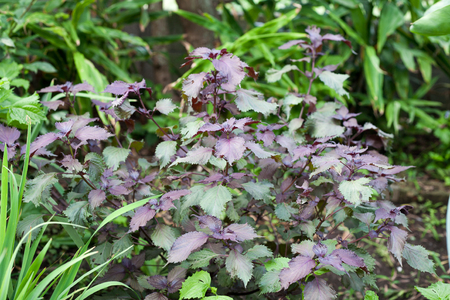
Perilla (Perilla frutescens) is an annual herbaceous plant belonging to the Lamiaceae family, widely cultivated in East Asia, including China, Korea, and Japan, primarily for its leaves, seeds, and oil. While traditionally valued for its culinary and medicinal properties, perilla seeds are increasingly recognized as a source of high-quality plant protein. Perilla protein is gaining attention due to its favorable amino acid profile, functional properties, and potential in food, nutraceutical, and industrial applications.
Composition and Nutritional Profile
Perilla seeds are oil-rich, containing approximately 35–45% lipids, 20–25% proteins, and 15–20% carbohydrates, along with minor components such as fiber, minerals, and phenolic compounds. The protein fraction of perilla seeds is composed mainly of globulins and albumins, which are water-soluble and salt-soluble proteins, respectively. These proteins exhibit an essential amino acid profile comparable to soy or other legume-based proteins, making them nutritionally significant. Notably, perilla protein is rich in arginine, leucine, and phenylalanine, while also offering moderate levels of lysine, which is a limiting amino acid in many plant proteins. Its high protein digestibility and presence of bioactive peptides contribute to its potential health benefits, including antioxidant, anti-inflammatory, and hypotensive effects.
The increasing global interest in plant-based diets, along with the rise of functional foods, has created a strong demand for alternative proteins with both nutritional and functional benefits. Perilla protein represents an underutilized resource in this context, as it is generally a byproduct of perilla seed oil production. Traditionally, perilla seeds have been pressed to extract oil, leaving a protein-rich meal that can be further processed into protein isolates or concentrates.
Extraction of Perilla Protein
The extraction of perilla protein involves several steps designed to separate the protein fraction from other seed components while preserving functional and nutritional integrity. Broadly, the process can be divided into defatting, protein solubilization, separation, and drying.
Defatting:
Since perilla seeds contain a high oil content (up to 45%), defatting is essential to reduce lipid interference during protein extraction. Common defatting methods include mechanical pressing or solvent extraction. In mechanical pressing, seeds are crushed and pressed to remove most of the oil. Solvent extraction uses organic solvents such as hexane to extract residual oil efficiently, though there is a growing interest in greener solvents like ethanol or supercritical CO₂ due to safety and environmental concerns.Protein Solubilization:
After defatting, the remaining seed meal contains proteins, fibers, and other components. Proteins are solubilized by dispersing the meal in water or a mild salt solution and adjusting the pH to a value where proteins have maximum solubility. Typically, perilla proteins are extracted under alkaline conditions (pH 8–10), which promotes the dissolution of globulins and albumins. This step is critical to ensure a high yield of extractable protein while minimizing denaturation or loss of functional properties.Separation:
Once solubilized, the protein-rich solution is separated from insoluble components such as fiber using centrifugation or filtration. The clear protein solution may undergo isoelectric precipitation to recover protein isolates. In this method, the pH is adjusted to the isoelectric point of perilla proteins (around pH 4.5–5.0), where the proteins lose solubility and precipitate. The precipitated proteins are collected by centrifugation or filtration.Purification and Drying:
The protein precipitate can be washed to remove residual salts or impurities and then redispersed in water before drying. Spray-drying or freeze-drying is commonly employed to convert the protein solution into a stable powder. Spray-drying is industrially preferred due to efficiency and cost-effectiveness, although freeze-drying is gentler and better preserves protein functionality. The resulting perilla protein isolate typically contains over 90% protein on a dry matter basis, with minimal lipid or carbohydrate contamination.
Alternative extraction approaches are under research, including enzymatic extraction and ultrafiltration. Enzymatic hydrolysis uses proteases to release proteins or peptides from the seed matrix, potentially enhancing bioavailability and functional properties. Ultrafiltration allows the separation of protein fractions based on molecular weight, enabling the production of concentrates or isolates with tailored characteristics.
Functional Properties
Perilla protein exhibits a range of functional properties relevant to food processing. Its solubility, emulsifying capacity, water- and oil-binding ability, foaming properties, and gelation potential make it versatile in food formulations. For example, perilla protein can stabilize emulsions in plant-based dairy alternatives, enhance texture in meat analogs, or form gels in bakery and confectionery products. Its relatively neutral flavor profile also allows incorporation without imparting strong off-tastes, which is sometimes a limitation of other plant proteins like pea or fava bean protein.
Beyond functional properties, perilla protein is a source of bioactive peptides, which can be released through enzymatic hydrolysis. These peptides have demonstrated antioxidative, antihypertensive, and anti-inflammatory activities in vitro and in animal models, positioning perilla protein as a candidate ingredient for functional foods or nutraceuticals aimed at promoting cardiovascular and metabolic health.
Applications
The potential applications of perilla protein span several sectors:
Food Industry:
Plant-Based Proteins: Perilla protein can be used as an alternative to soy, pea, or rice protein in plant-based meat, dairy substitutes, protein bars, and beverages. Its functional properties support texture and stability in these formulations.
Protein Fortification: Due to its high amino acid content, perilla protein can fortify bakery products, cereals, and snacks, improving nutritional quality.
Emulsions and Gels: Its emulsifying and gelation capabilities enable applications in sauces, dressings, and structured foods.
Nutraceuticals and Functional Foods:
The bioactive peptides derived from perilla protein hydrolysates can be incorporated into supplements or functional beverages. Antioxidant and antihypertensive effects make these hydrolysates attractive for cardiovascular health and metabolic wellness formulations.Cosmetic Industry:
Due to its amino acid composition and water-binding properties, perilla protein may be utilized in cosmetic products as a moisturizing or film-forming agent. Its peptides may also provide protective or anti-aging benefits.Animal Feed:
The residual protein meal from perilla oil extraction can be used as a protein-rich feed ingredient for livestock, aquaculture, and pets, adding value to the oil production chain.Industrial Applications:
While less explored, plant proteins including perilla protein may be used in biodegradable films, adhesives, or other bio-based materials due to their film-forming ability and renewable nature.
Challenges and Future Directions
Despite its potential, several challenges limit the large-scale adoption of perilla protein. The relatively high lipid content of the seeds requires efficient defatting to avoid off-flavors and oxidation. Allergenic potential has not been fully evaluated, and functional properties may vary with processing conditions. Furthermore, supply consistency and cost competitiveness compared with established plant proteins such as soy or pea are important considerations for commercial uptake.
Future research is likely to focus on optimizing extraction methods that maximize yield and functionality while minimizing environmental impact. Genetic or agronomic improvements to increase protein content in perilla seeds may also enhance the viability of this resource. Additionally, the development of hydrolyzed or modified perilla proteins with tailored bioactive or functional properties could further expand applications in the functional food and nutraceutical sectors.
Perilla protein represents a versatile and nutritionally valuable plant protein with significant potential across food, nutraceutical, cosmetic, and industrial applications. Extracted primarily from the defatted meal of perilla seeds through solubilization and precipitation techniques, it offers an amino acid profile comparable to other legume proteins and functional properties suitable for diverse formulations. As global demand for plant-based proteins continues to rise, perilla protein could emerge as a sustainable and health-promoting alternative, provided challenges related to extraction efficiency, cost, and sensory attributes are addressed. Research into its bioactive peptides and innovative applications will likely continue to expand its role as a functional ingredient and sustainable protein source.

Leave a Reply